CONFIRM THE QC BASIS
Start with the confirmed model, order configuration, finish, branding and any buyer-specific inspection requirements.
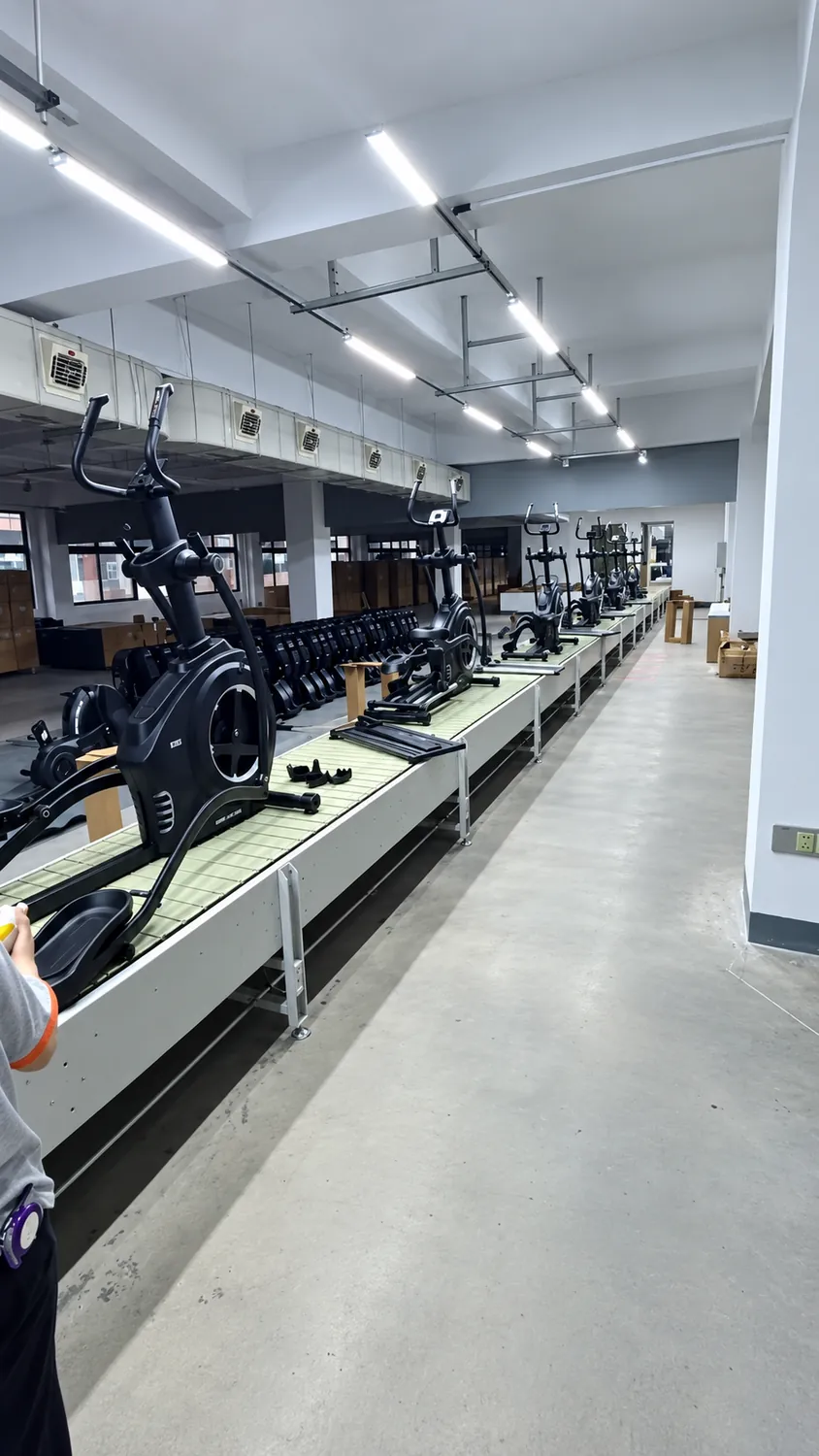
Quality Control begins after manufacturing is complete. WCAGO reviews finished equipment against the confirmed order requirements before packing and dispatch approval, with inspection points adapted to the actual product structure and agreed scope.
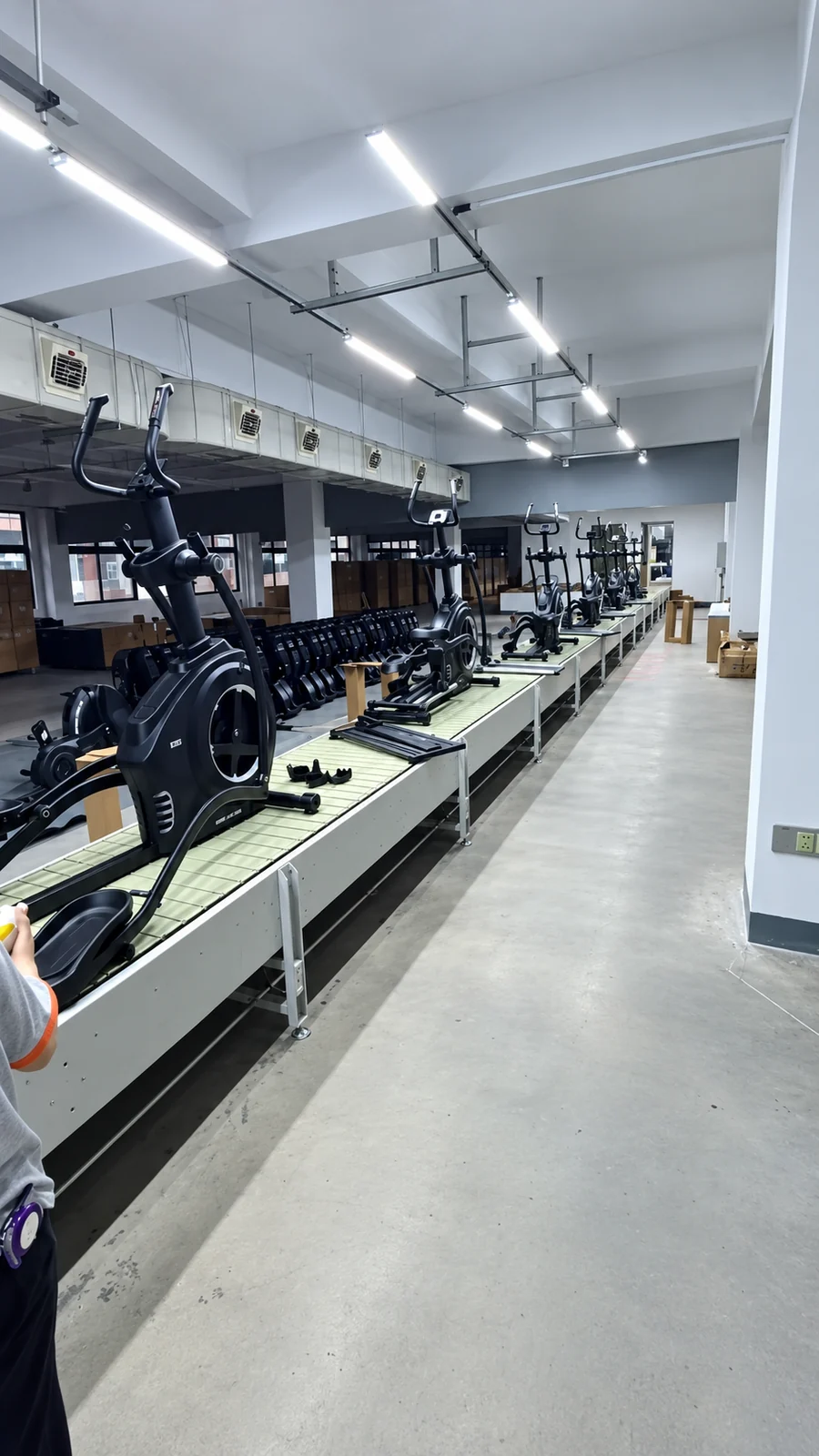
Production completion does not automatically mean shipment approval. Finished equipment may still require appearance, assembly, adjustment, functional or order-specific verification. QC provides the checkpoint between manufacturing completion and packing.
WCAGO does not force one generic checklist onto every machine. The inspection scope follows the actual model, product structure, confirmed configuration and buyer requirements.
The exact inspection points vary by product. The QC process begins with a completed unit and ends with approval—or corrective action—before packing.
Start with the confirmed model, order configuration, finish, branding and any buyer-specific inspection requirements.
Review visible product condition, finish consistency and obvious cosmetic or surface issues on the completed equipment.
Verify the finished assembly state, installed components and the overall condition of the completed unit.
Where applicable, check adjustment points and basic operation according to the product type and agreed QC scope.
Verify agreed branding, labels, color, selected configuration and other order-specific details where applicable.
If an issue is found, complete the required correction or clarification, then confirm the final unit status before packing approval.
These visuals show finished-equipment review environments used to support QC after production completion.
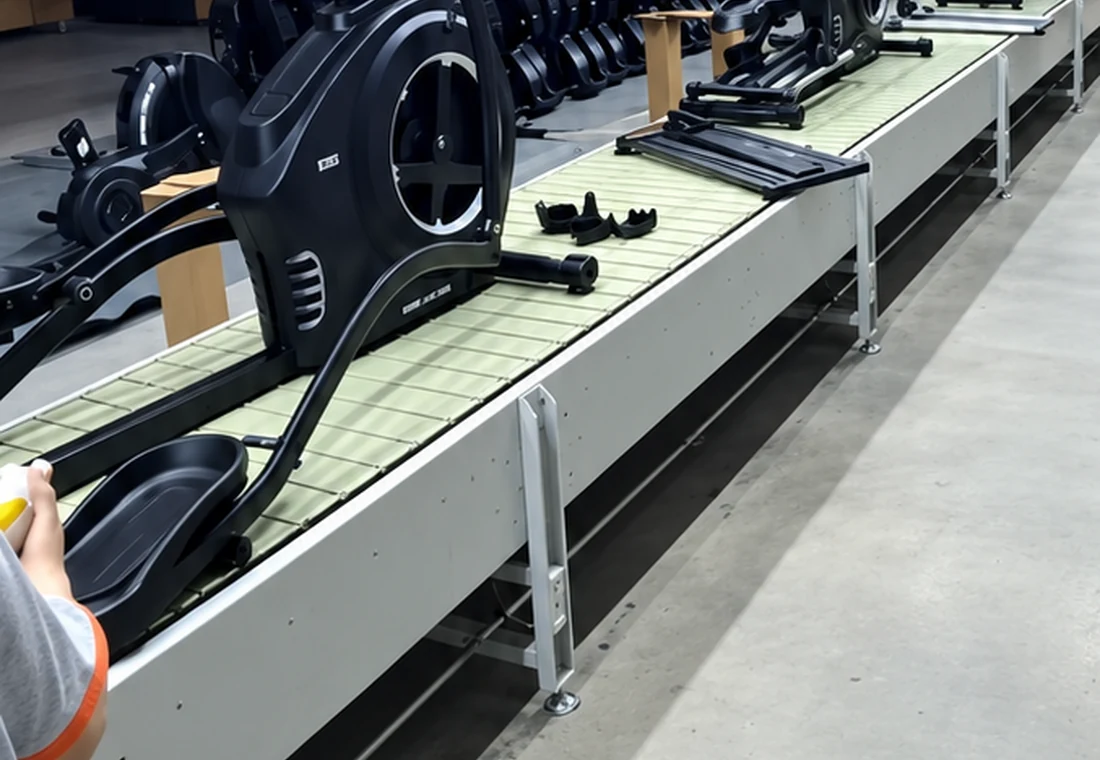
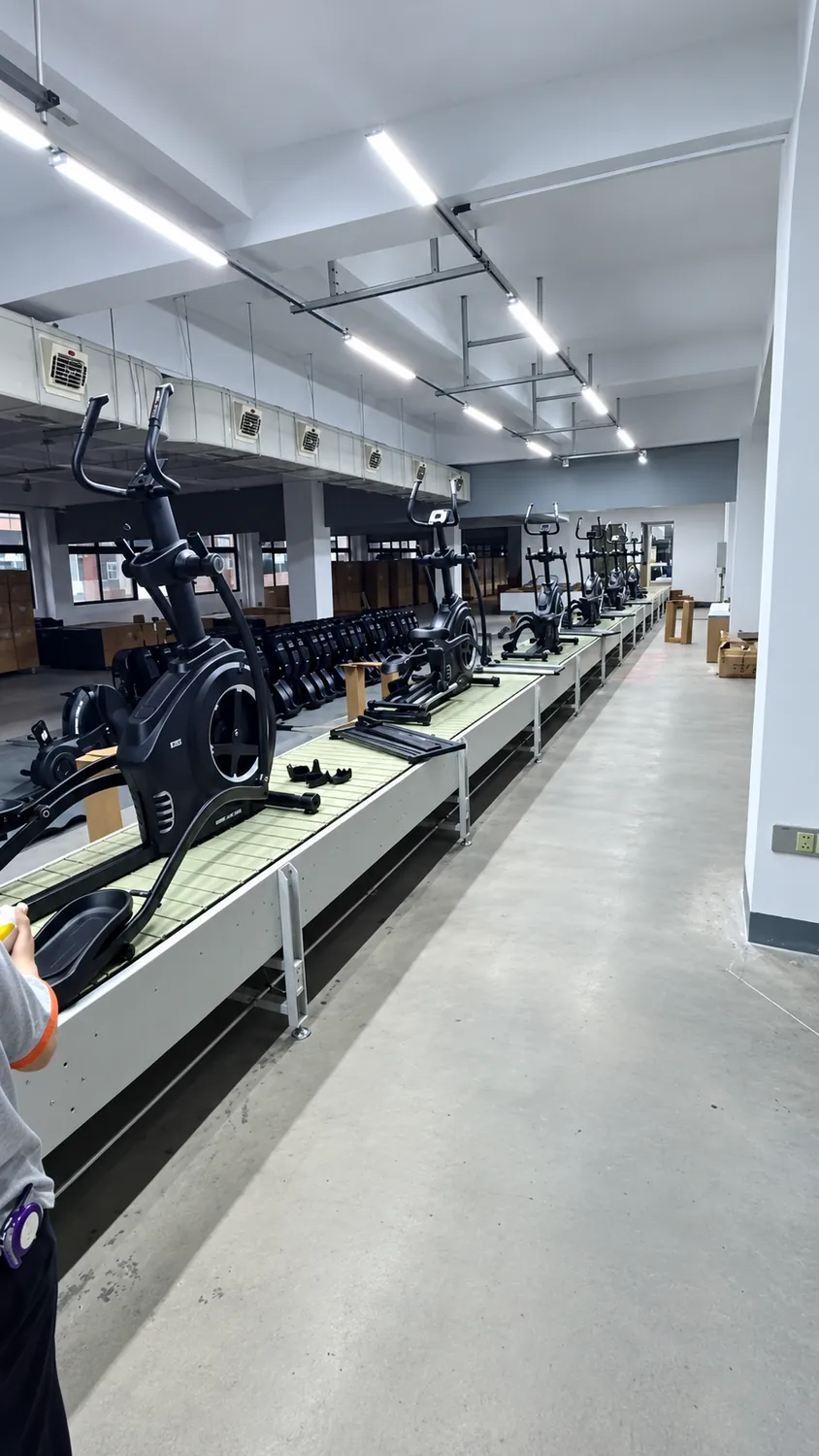
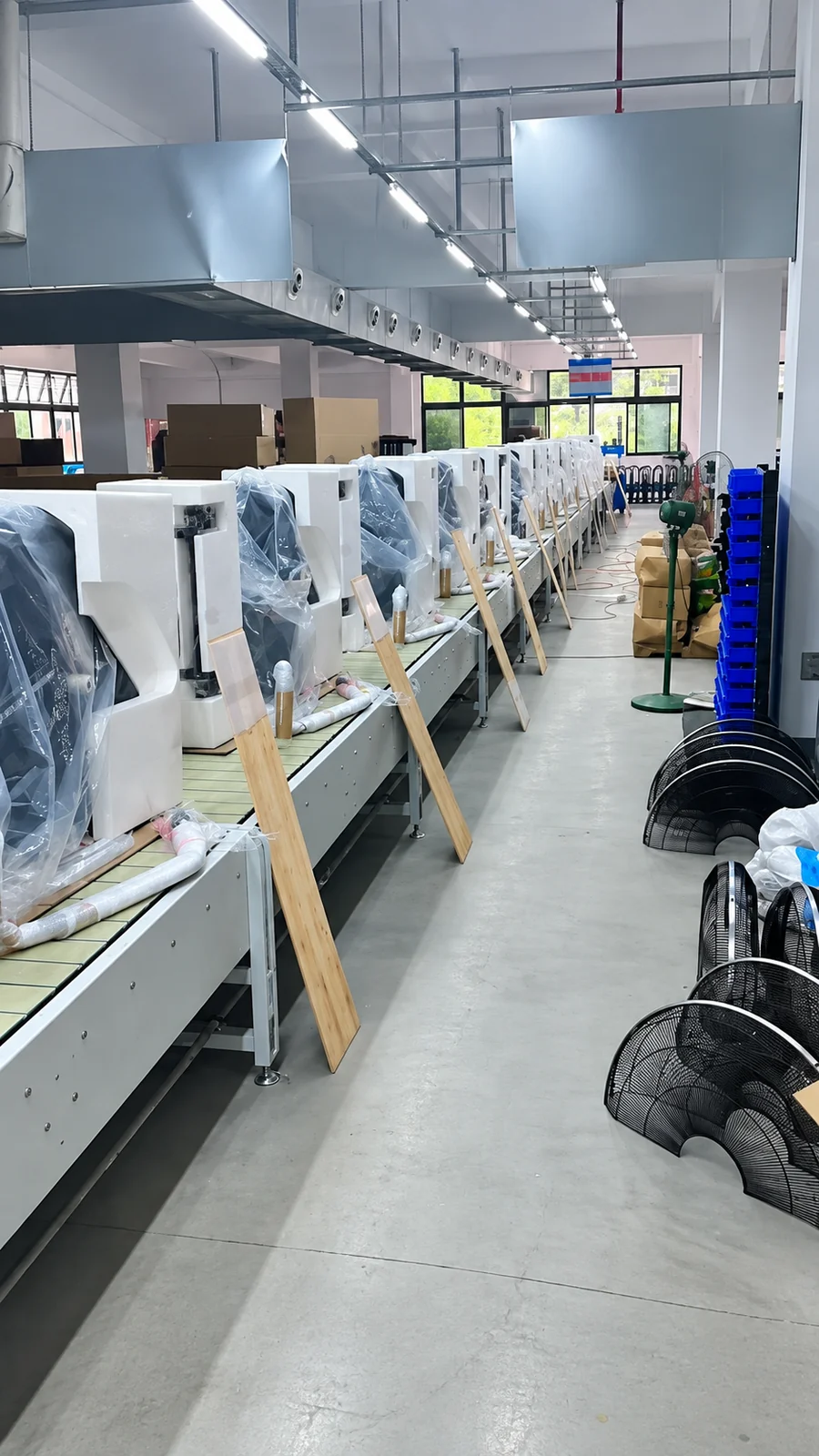
Different equipment requires different QC points. A curved treadmill, air bike, spin bike and strength station do not share an identical checklist, so the inspection scope follows the actual product structure and order requirement.
Finished appearance, surface condition and obvious cosmetic issues.
Verify the installation condition of relevant components on the finished unit.
Check applicable seat, handle, incline, resistance or other adjustment points according to the model.
Check basic operation where applicable to the equipment and agreed QC scope.
Verify agreed branding, labeling, color or selected configuration details where applicable.
Confirm whether the finished unit is approved to move from QC into packing preparation.
Manufacturing Control follows how the approved order is executed. Quality Control starts after production completion and verifies the finished equipment before packing. Keeping the two roles separate prevents duplicated work and makes responsibility clearer.
Follow model, quantity, configuration, production progress and completion.
Verify appearance, assembly, adjustment, function and order-specific details against the agreed QC scope.
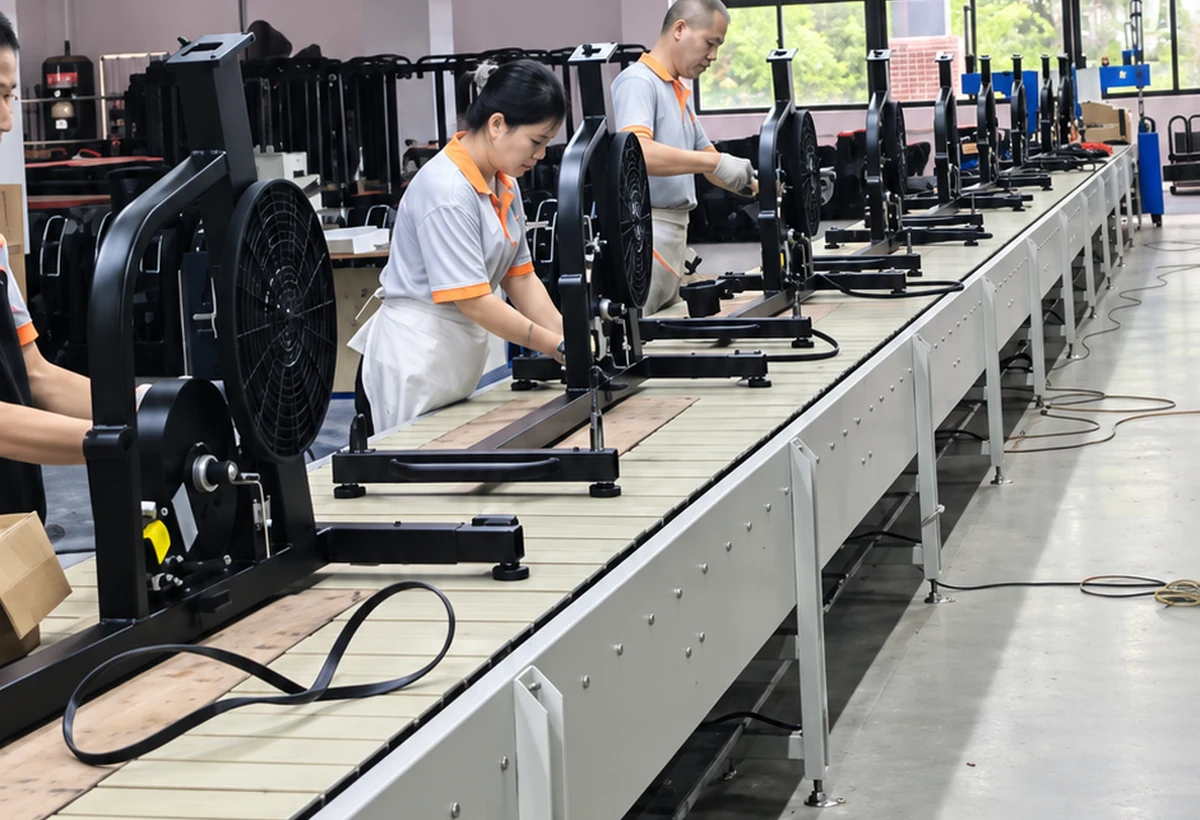
Manufacturing hands over completed units to Quality Control.
Inspect the agreed QC points around the actual model and order.
If QC finds an issue, complete the required correction, re-check or clarification before approval.
Only approved finished units move into packing and dispatch preparation.
No. The QC scope depends on the equipment structure, model configuration and agreed buyer requirements.
QC can cover appearance, finish, assembly condition, adjustment points, basic function and order-specific details where applicable.
Yes. Buyer-specific QC points should be discussed before production so the inspection scope can be aligned with the order.
Yes. Manufacturing Control follows production execution. Quality Control begins after production completion and verifies the finished equipment before packing.
Send the product models, quantity, destination and any buyer-specific QC or OEM requirements that should be considered before production starts.