
01
DISTRIBUTORS & IMPORTERS
Range planning, product positioning, repeat supply, price structure and the ability to combine suitable models matter more than a single machine.
WCAGO works with international customers through both online and offline business channels. That experience helps our team understand that product selection, branding, order structure and communication need to fit the buyer’s actual market—not a one-size-fits-all sales script.
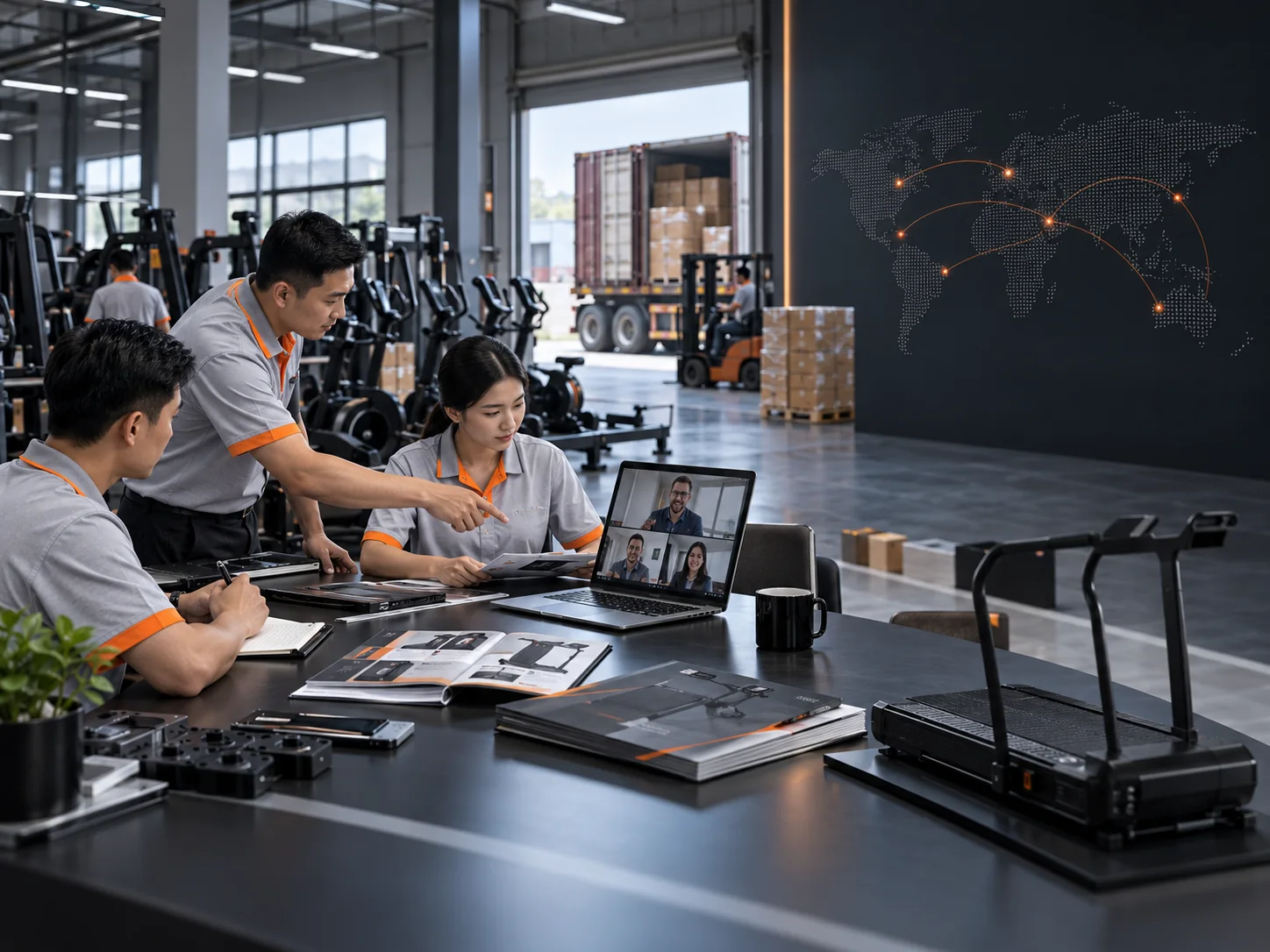
Selection, OEM, communication and order support change with the buyer and market.
Fitness equipment selection changes with the buyer, target customer, sales channel and market position. A distributor building a resale range, a private-label brand and a commercial gym project do not evaluate the same machine in the same way.
WCAGO uses buyer and market context to narrow the product range, discuss OEM requirements and align the order basis before manufacturing and quality control begin.
A distributor building a resale range evaluates products differently from a fitness brand creating a private-label line or a commercial project buyer equipping a facility. The product may be similar, but the buying logic is not.
WCAGO uses market and buyer context to make the discussion more practical—from the first shortlist through OEM coordination, production follow-up and final quotation.
Different customer types evaluate the same category with different priorities. The role of WCAGO is to understand that buying model before narrowing the range.
Range planning, product positioning, repeat supply, price structure and the ability to combine suitable models matter more than a single machine.

Brand consistency, differentiation, OEM feasibility, packaging and repeatability become part of the product decision.
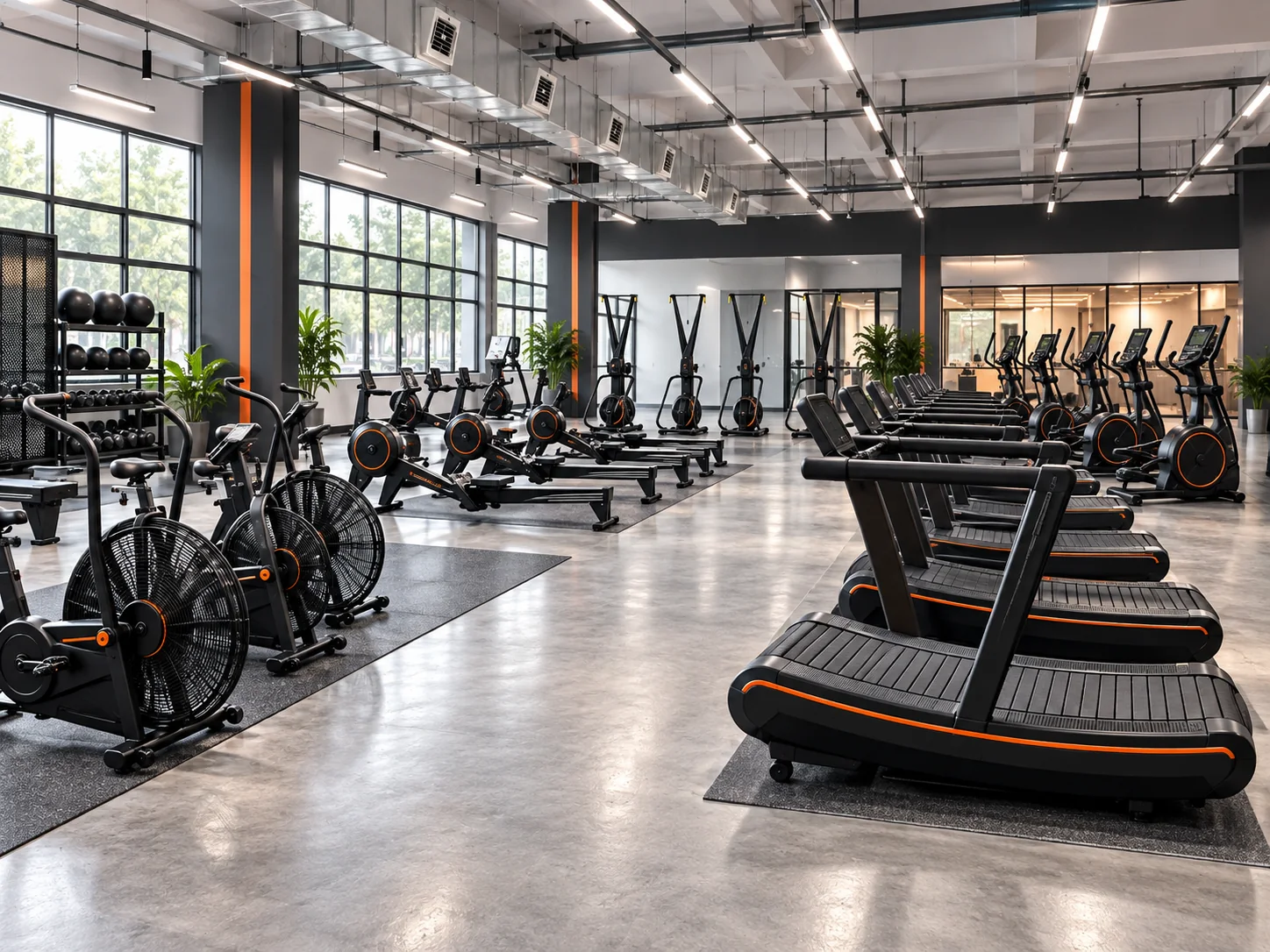
Application, facility positioning, model suitability, quantity and project timing shape the shortlist.
WCAGO does not treat every enquiry the same. The discussion changes according to product positioning, customer profile, order scale and the way the buyer sells or uses the equipment.

Shortlist models around intended positioning, training application and buyer expectations instead of sending an undifferentiated catalogue.

Balance model, configuration, OEM needs, quantity and commercial positioning according to how the customer actually buys.

Some buyers need detailed model comparison; others need faster project coordination or branding confirmation. The conversation should fit the business.

Remote enquiries, ongoing digital communication and in-person business interactions create different information and follow-up needs.
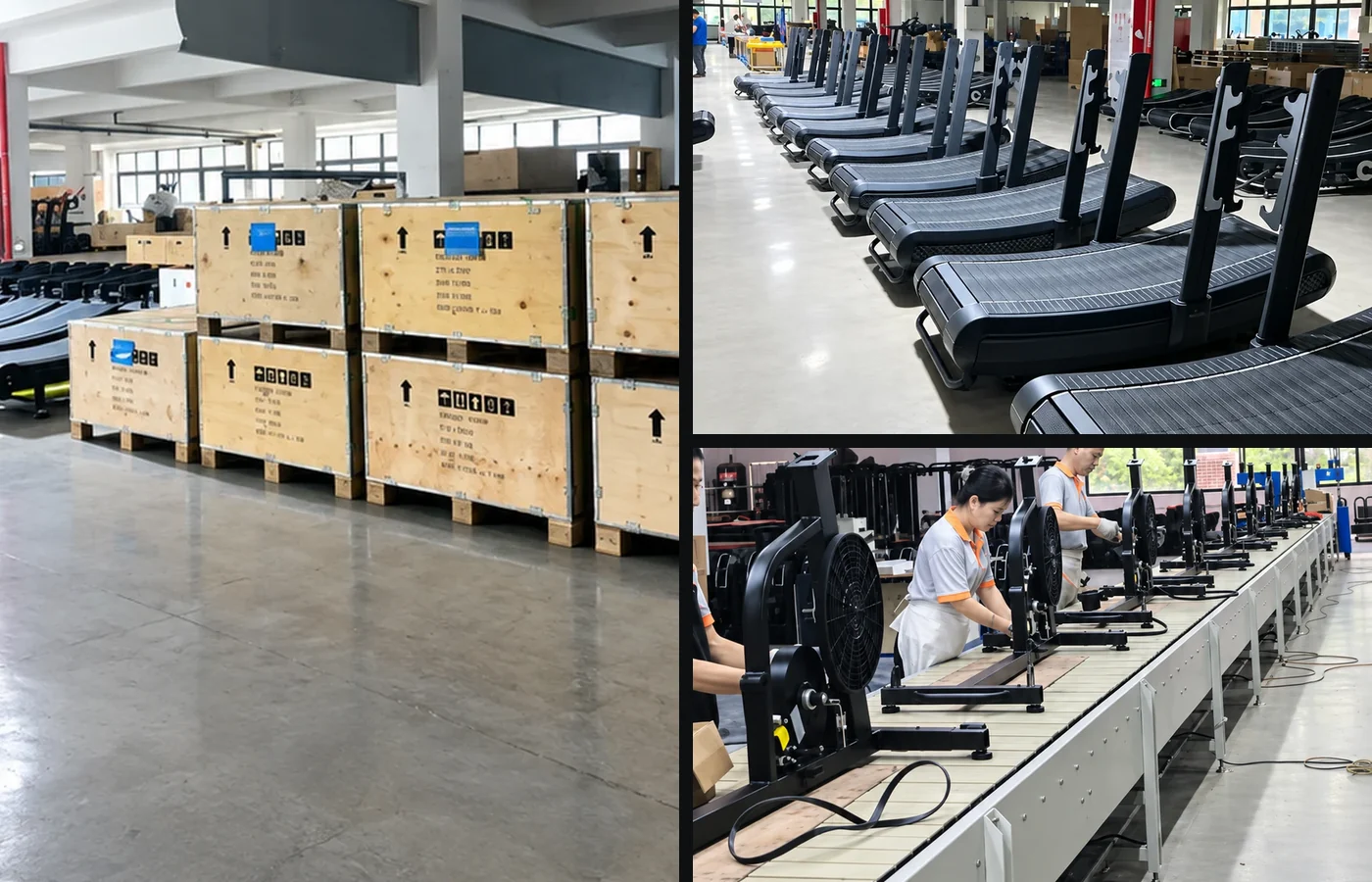
International purchasing relationships may begin through online enquiry, develop through calls and product discussions, or include in-person meetings and factory visits. Each channel creates a different level of detail and decision-making.
Suitable for initial product selection, quotations, specifications, production updates and ongoing order coordination.
Useful when buyers need closer product comparison, supplier evaluation, project discussion or factory-level understanding.
Market familiarity does not mean guessing what a customer wants. It means knowing which questions need to be asked before recommending the product.
Distributor customer, brand customer, gym member, studio user or project operator?
Entry, mid-range, differentiated commercial line or premium positioning?
Wholesale, dealer network, ecommerce, private label or project delivery?
Price, appearance, configuration, OEM, durability, footprint, delivery timing or range depth?
The buying logic changes when the customer is building a full product line rather than sourcing one SKU.
Specifications, OEM feasibility, production process, QC, quotation basis or order timing?
These questions help turn a broad catalogue into a shortlist that is more relevant to the buyer's actual market and business model.
Distributor, importer, fitness brand or commercial project buyer?
Commercial gym member, functional-training user, studio customer or resale consumer?
Entry, mid-range, differentiated commercial or premium product positioning?
Wholesale, dealer, ecommerce, private label or direct project installation?
Market experience helps shape the right shortlist. Manufacturing Control and Quality Control then help carry the confirmed requirement through production and finished-product verification.
No. Product selection should follow the buyer type, target customer, product positioning, application, quantity, OEM needs and sales model rather than using one universal shortlist.
Market positioning affects which product level, appearance, configuration, feature set and price structure make sense. A premium branded range and a value-focused distributor range may require different models even within the same category.
Yes. WCAGO supports international customers through online communication and offline business interactions. The information and follow-up process can be adapted to the buyer's working style.
The most useful inputs are buyer type, target customer, product category, desired positioning, estimated quantity, destination, OEM requirement and any known market constraints.
Yes. Model comparison is especially useful when a distributor, brand or project buyer is building a range rather than sourcing only one SKU.
Yes. WCAGO can discuss combined cardio and selected strength requirements. The final mix should follow the buyer's market position, target customer and commercial objective.
Share your target market, buyer type, product categories, estimated quantity and positioning. WCAGO can help narrow the product range before preparing the next quotation step.